

Sorry, your browser is not compatible with this application. Please use the latest version of Google Chrome, Mozilla Firefox, Microsoft Edge or Safari.
Emergency Management Content

Public Assistance: Purchasing Goods or Services...
The Federal Emergency Management Agency (FEMA) Public Assistance (PA) Program provides supplemental assistance to states, tribes, and local governmental entities, as well as certain private nonprofit organizations (hereinafter referred to…
Learn More

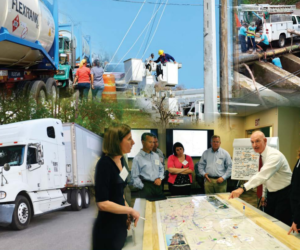
Supply Chain Resilience Guide
Disasters disrupt preexisting networks of demand and supply. Quickly reestablishing flows of water, food, pharmaceuticals, medical goods, fuel, and other crucial commodities is almost always in the immediate interest of…
Learn More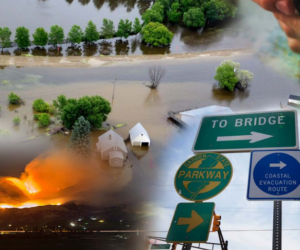
Planning Considerations: Evacuation and...
This document supports state, local, tribal, and territorial partners in planning for evacuation and/or shelter-in-place protective actions. It summarizes characteristics that jurisdictions should consider when planning for evacuation and/or shelter-in-place…
Learn More
What Can I Do On DisasterAssistance.Gov?
Learn what DisasterAssistance.gov can do to help you find disaster news, resources, and federal assistance.
Learn More
Emergency Management Priorities and Allocations...
This interim final rule establishes standards and procedures by which the Federal Emergency Management Agency (FEMA) may require certain contracts or orders that promote the national defense be given priority…
Learn More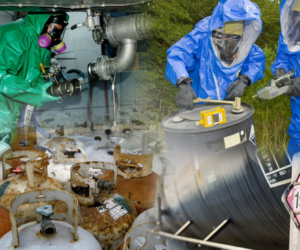
Hazardous Materials Incidents
This document provides state, local, tribal, and territorial officials with information and resources to improve resilience to hazardous materials incidents. Resilience is the backbone of emergency management. The Nation’s ability…
Learn More
Disaster Financial Management Guide and COVID-19...
On March 13, 2020, President Trump declared that the ongoing Coronavirus Disease 2019 (COVID-19) pandemic was of sufficient severity and magnitude to warrant an emergency declaration for all states, tribes,…
Learn More
Disaster Financial Management Guide
Effective disaster financial management is critical for successful response and recovery. It helps jurisdictions obtain the resources needed to support their communities, increases the efficiency of recovery efforts and reduces…
Learn More
Guidance for First Responder Interactions with...
The Federal Health Resilience Task Force just released Guidance for First Responder Interactions with Suspected/Confirmed COVID-19 Patients. The guidance includes a two-page EMS Patient Contact Algorithm, a flowchart detailing recommended…
Learn More
Social Media Emergency Management Guidance Tool
Social media is changing the way the public safety community prepares for, responds to, manages, and recovers from emergencies. Social media use and organizational adoption spans a broad spectrum across…
Learn More
Success of Future Disaster Response and Recovery...
Based on our prior work, we identified a pattern of internal control vulnerabilities that negatively affect both disaster survivors and disaster program effectiveness. These vulnerabilities may hinder future response efforts…
Learn More
HHS Should Take Actions to Ensure It Has an...
Major natural disasters in the past 3 years, as well as the COVID-19 pandemic, have heightened attention to the nation’s ability to respond to these types of emergencies. The Department…
Learn More
State Cyber Disruption Response Plans
Governors must now be prepared to respond to the growing threat of cyberattacks. States and territories count on experienced teams of public safety and emergency management (EM) professionals to prepare…
Learn More
FEMA Should Take Additional Steps to Streamline...
From fiscal years 2010 through 2018, the Federal Emergency Management Agency (FEMA) obligated over $11 billion through four grant programs that fund state and local hazard mitigation efforts. FEMA awarded…
Learn More
Public Health Emergency Preparedness and Response...
Public health systems play an integral role in preparing communities to respond to and recover from threats and emergencies. The public health consequences of disasters and emergencies initially affect local…
Learn More